


Work with data
Tools aimed at helping practitioners and communities turn data from low-cost sensors and wearables into FAIR and CARE information – easy to access, combine and trust, and ready to support evidence-based policy.
Data tools
31 toolsOpen-source algorithms, models and digital tools developed and used in CitiObs
 Data tool
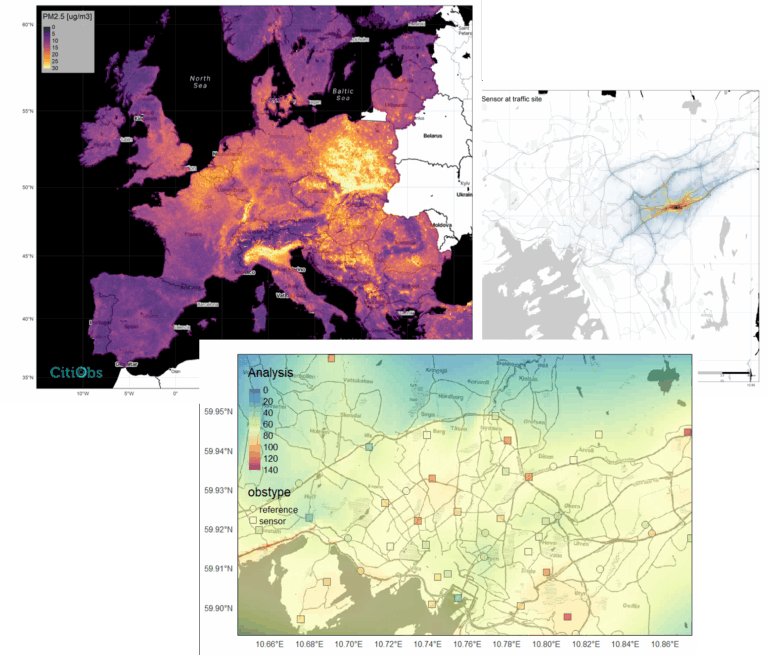
Air Quality Mapping at European Scale
The sMESH model (Satellite and ML-based Estimation of Surface air quality at High resolution) is a machine-learning framework that downscales regional air quality forecasts to estimate daily (and in some implementations hourly) surface PM₂.₅ concentrations over Europe at ~1 km resolution, producing high-resolution maps that support analysis and policy applications.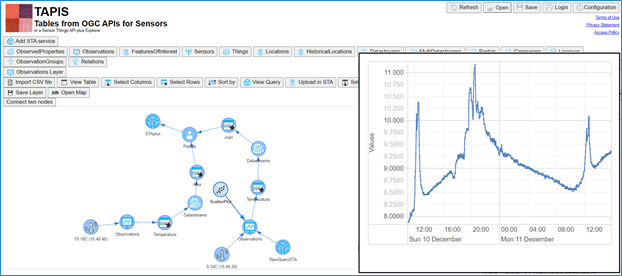 Data tool
Browser-based visualization tool
TAPIS is a simple, browser-based tool developed within the CitiObs project to help communities and Citizen Observatories easily visualize their data.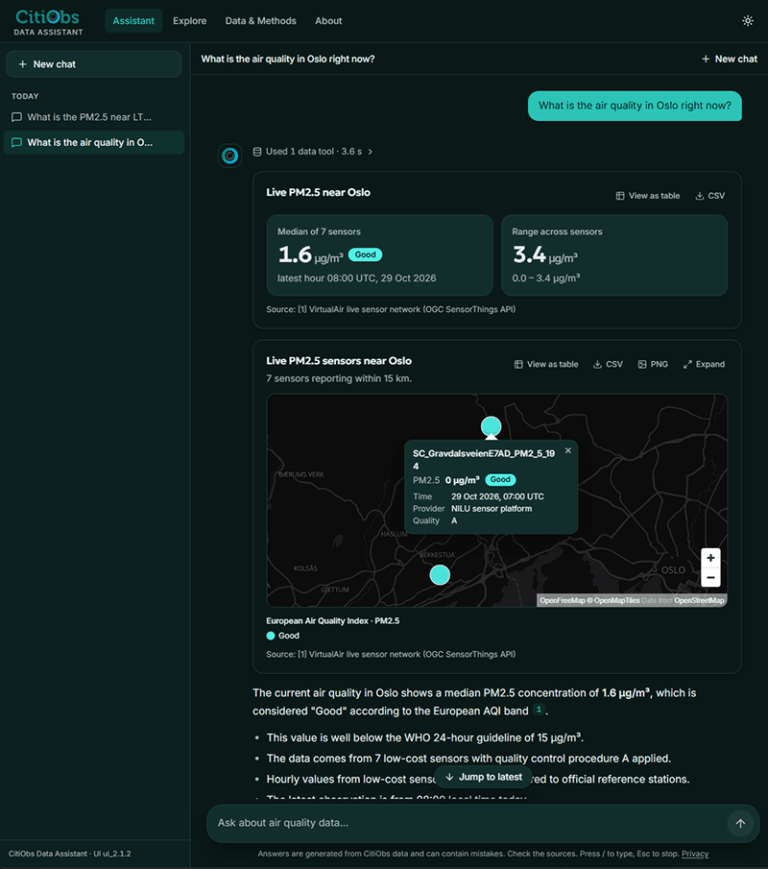 Data tool
CitiObs Data Assistant
An AI-powered assistant that helps citizens, researchers and city authorities explore and understand citizen-science environmental data.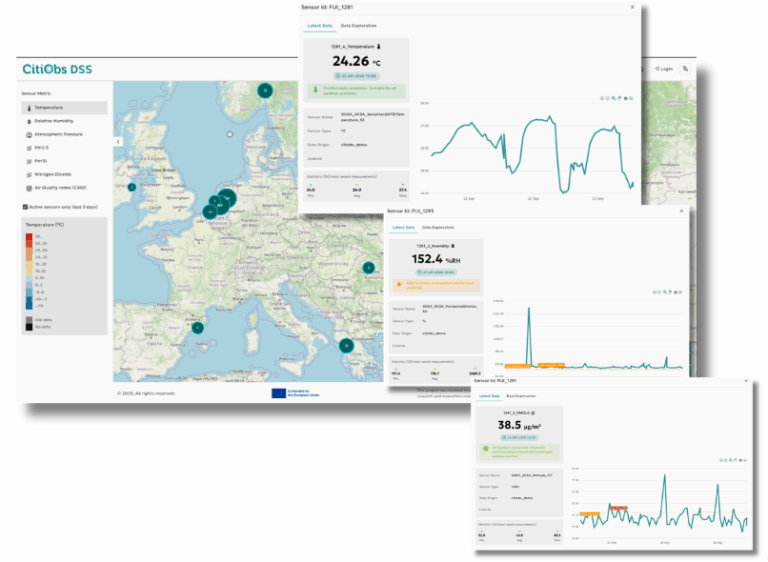 Data tool
CitiObs Decision Support System (DSS)
CitiObs has developed a web-based dashboard to display validated and interoperable data.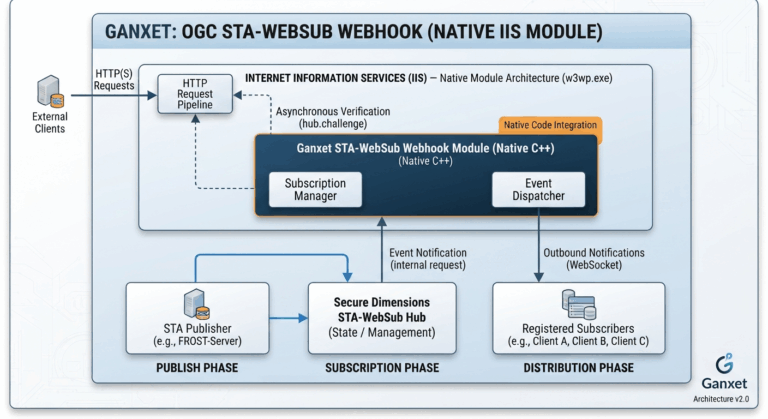 Asynchronous messaging
Gaxnet (little hook) on IIS
A C++ implementation of a WebHook subscriber compatible with Windows IIS Native Code. This tool implements a server that dialogues WebSocket from a web page and client that dialogue with a WebHub that implementing a W3C WebSub.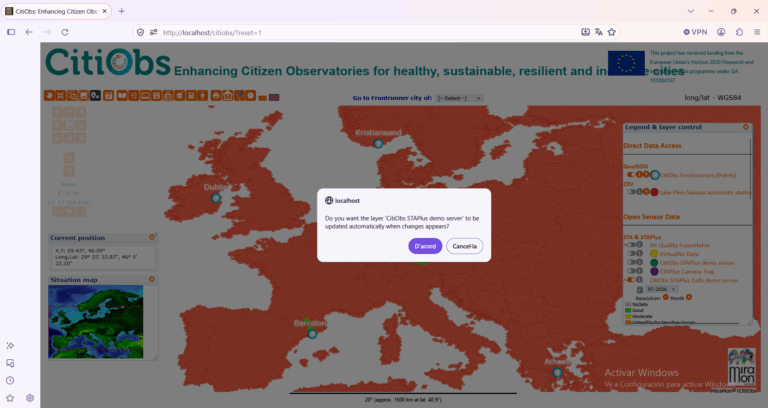 Asynchronous messaging
MiraMon
The MiraMon Web Application displays the historical sensor reading and updates the chart based on new data received via STA-WebSub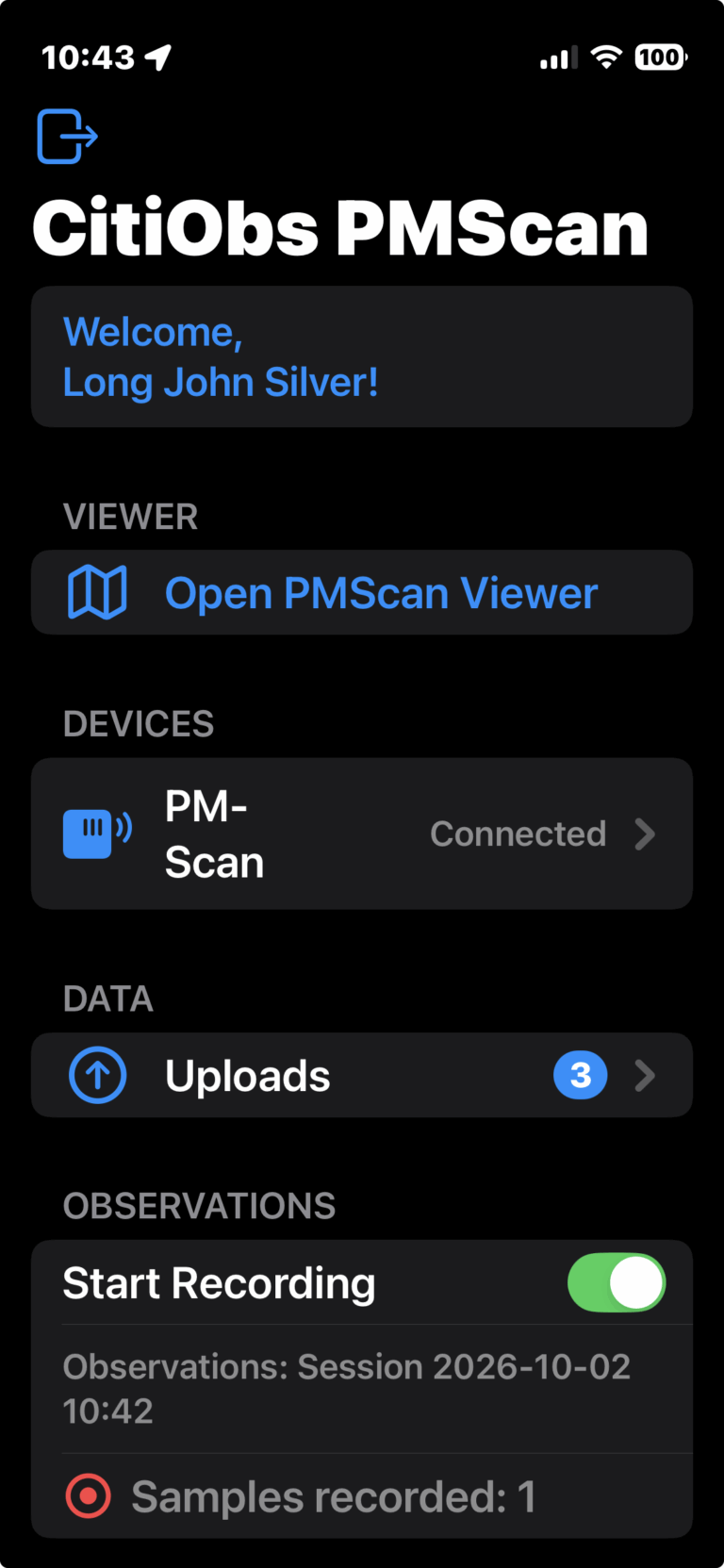 Citizen Science with STAplus
PMScan mobile app
CitiObs PMScan mobile app captures air quality with the wearable sensor PMScan and uploads the data to a STAplus service.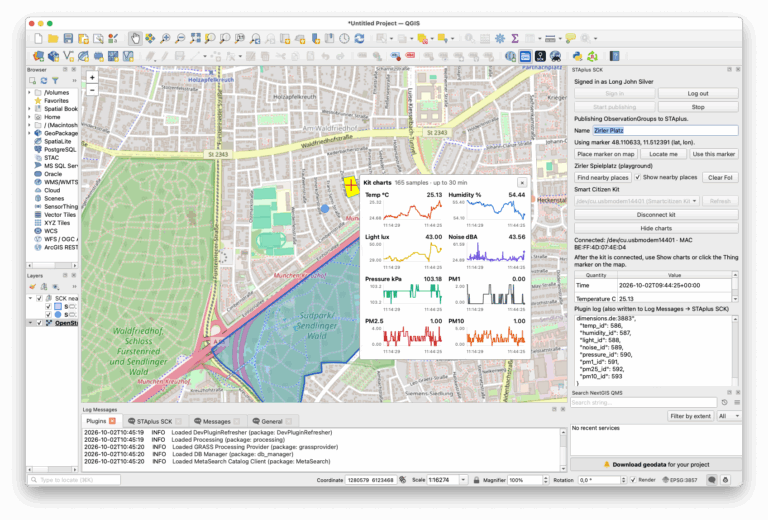 Citizen Science with STAplus
QGIS SCK plugin
The QGIS SCK plugin allows to record air quality with the sensor from the Smart Citizen Kit from IIAC using the QGIS desktop application Data tool
Quality Control and Data Validation Tool
FILTER (Framework for Improving Low-cost Technology Effectiveness and Reliability) is a quality control and correction system for PM2.5 static low-cost sensor networks, PM2.5 mobile/wearable measurements and noise measurements.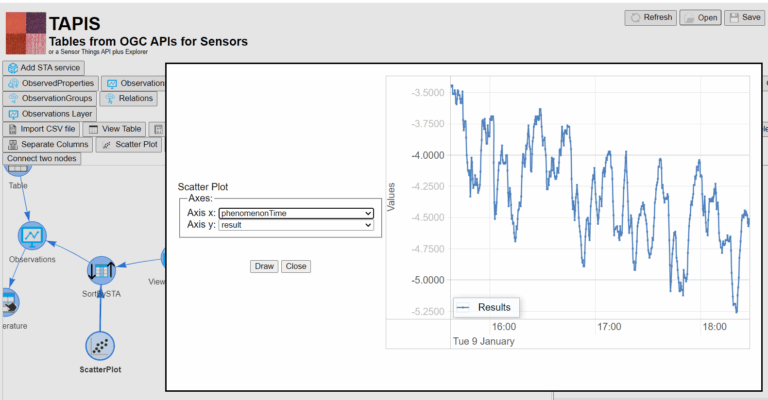 Asynchronous messaging
See the last value in TAPIS
The 'last value receipes' illustrates how to monitor a variable capture by a particular party. The way this is done, is conditioned by the STAplus entities data model (see the figure below) that relates Observations to Party through Datastream.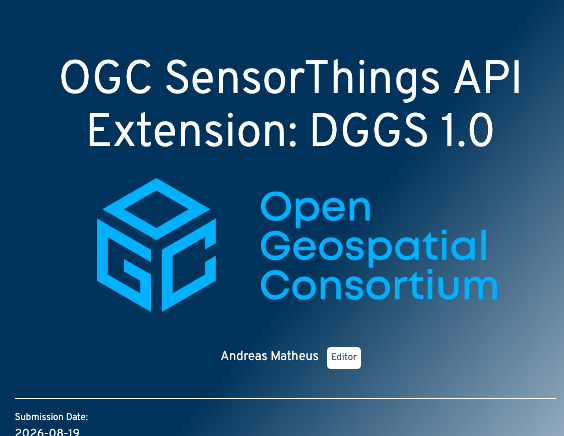 STAplus standard
STA DGGS
OGC 26-057 adds a Cell entity so observations can be grouped into Discrete Global Grid System zones and aggregated.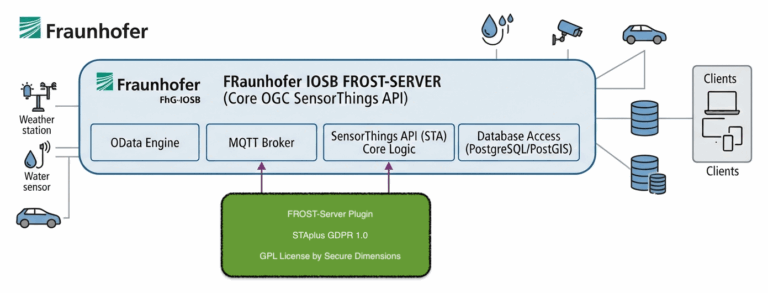 Citizen Science with STAplus
STA DGGS plugin implementation
The STA-DGGS plugin implements the STA-DGGS Standard. The plugin can be deployed with the Fraunhofer FROST-Server framework which is the open source reference implementation for the OGC SensorThings API.- 3 links
STA Support
Technical components supporting interoperable exchange of sensor data through the OGC SensorThings API and STAplus. These repositories include API extensions, a Python client and WebSub-related components for accessing and exchanging environmental observations.  WebSub
STA-WebSub
The STA-WebSub OGC Standard enables to use a compliant SensorThings service to deliver event triggered data notifications to subscribers using HTTP asynchronous messaging.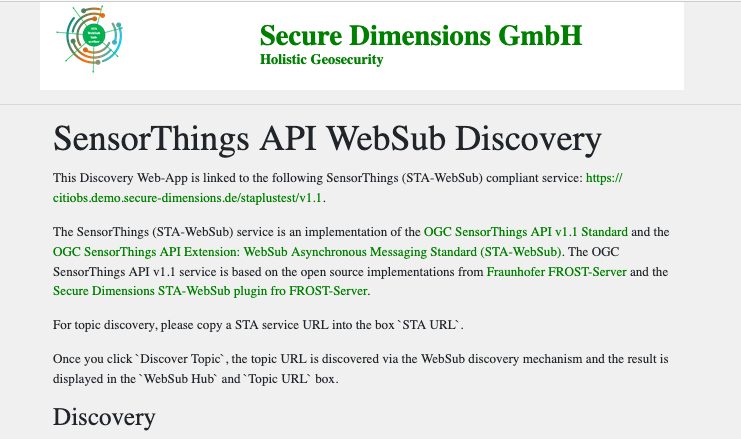 Asynchronous messaging
STA-WebSub Discovery implementation
This implementation supports a developer to determine whether a SensorThings service supports the STA-WebSub standard. The implementation shows a simple data log for testing data delivery after subscription.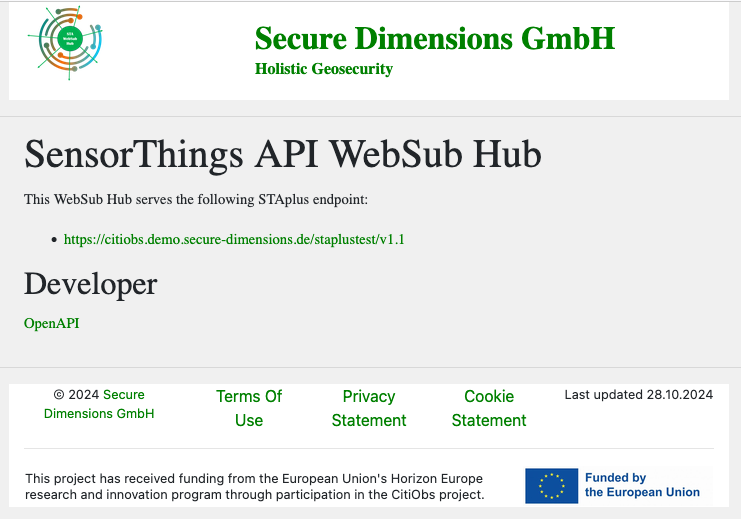 Asynchronous messaging
STA-WebSub Hub implementation
The STA-WebSub Hub implementation allows the subscription from and delivery of topics to subscribers. This asynchronous messaging ensures data delivery 'when it happens' and makes the classic polling unnecessary.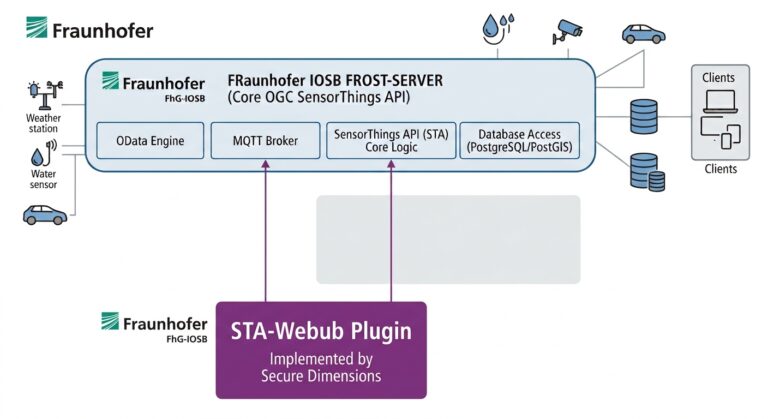 Asynchronous messaging
STA-WebSub plugin for FROST-Server
The STA-WebSub plugin for the FROST-Server is the implementation in CitiObs that enables the discovery of self-defined topics with a SensorThings service, e.g. a STAplus service from CitiObs.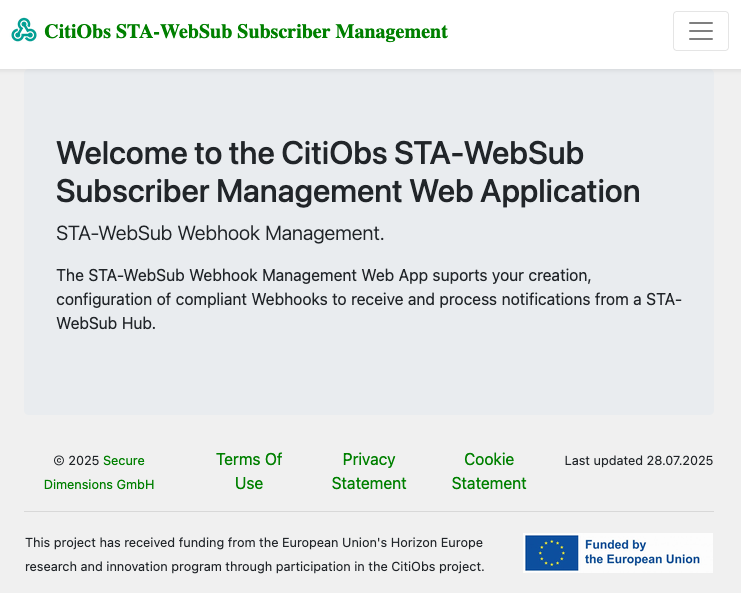 Asynchronous messaging
STA-WebSub Subscriber implementation
The STA-WebSub Subscriber implementation supports the data receiver to manage their subscriptions and the actions to be taken when data is delivered.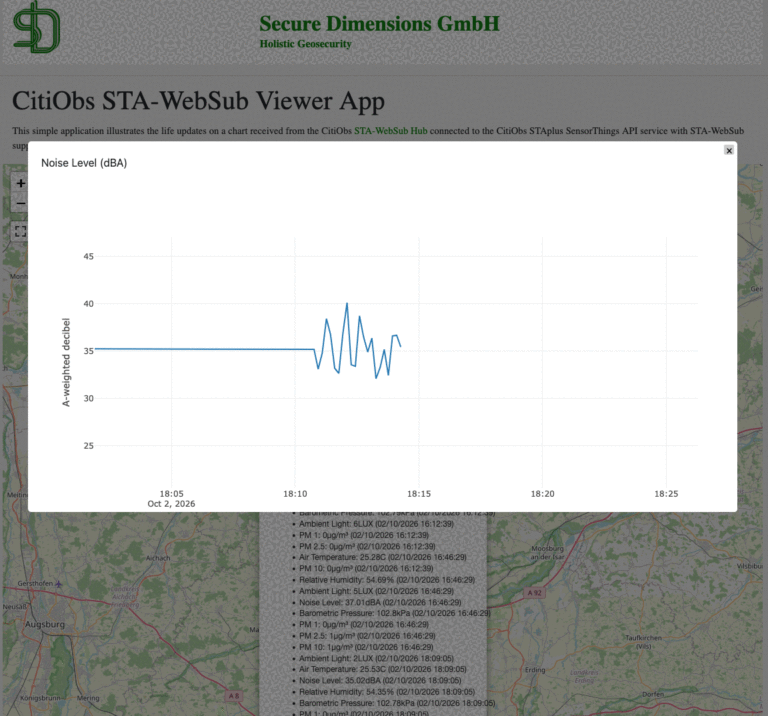 Asynchronous messaging
STA-WebSub Viewer
Illustration of live updates on a chart received from the CitiObs STA-WebSub Hub connected to the CitiObs STAplus SensorThings API service with STA-WebSub STAplus standard
STAplus
A backwards-compatible SensorThings extension for observations owned by many contributors, with licences, relations, and groups.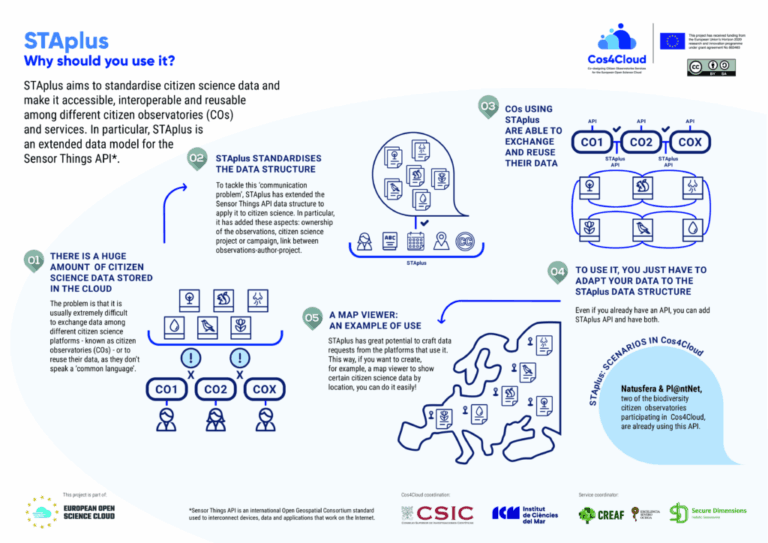 Data tool
STAplus Connector
The STAPplus Connector is a technical service that uses the OGC SensorThings API and its STAplus extension to organise citizen-generated environmental data, credit contributors, respect privacy and licensing, and make the data interoperable, reusable, and ready to support decision-making. STAplus standard
STAplus Corrigendum
OGC 22-022r2 replaces STAplus 1.0 and records the 1.0.1 corrections for parties, licences, and personal-data statements.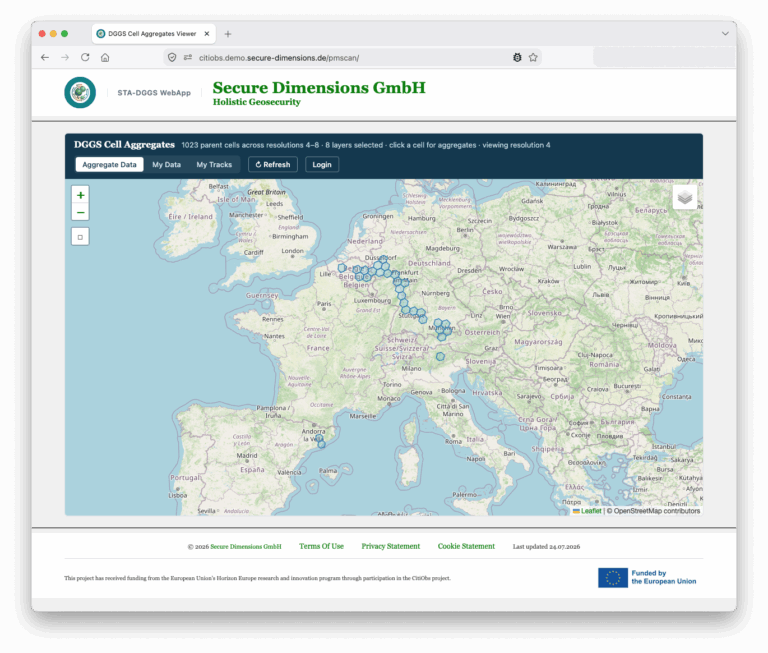 Citizen Science with STAplus
STAplus DGGS Viewer
The STAplus DGGS Viewer visualizes the air quality data captured with the PMScan and SCK sensor on a map. Anonymous and personal access are available.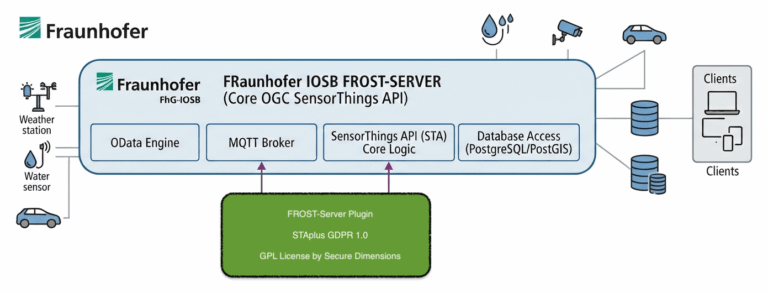 Citizen Science with STAplus
STAplus GDPR plugin implementation
The STAplus GDPR plugin implements the STAplus-GDPR Standard. The plugin can be deployed with the Fraunhofer FROST-Server framework which is the open source reference implementation for the OGC SensorThings API.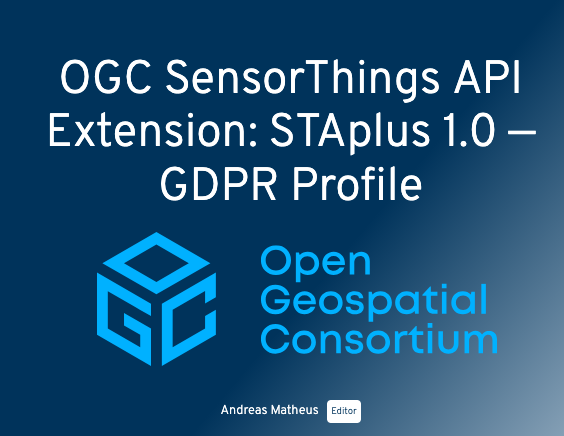 STAplus standard
STAplus GDPR Profile
OGC 26-055 identifies personal data in STAplus and requires an Agreement before precise location, names, or attribution are released.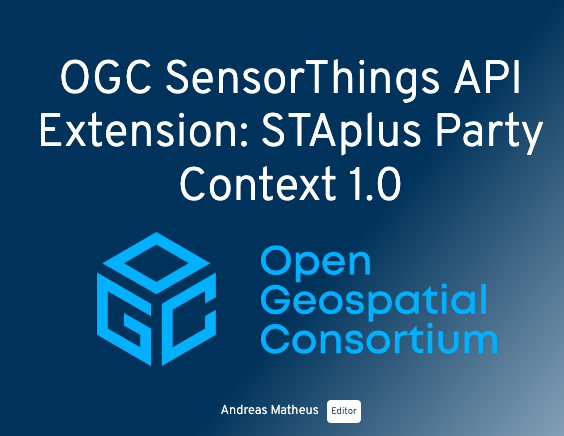 STAplus standard
STAplus Party Context
OGC 26-040 adds PartyLocation and PartyActivity so an observation can record where a party was and what they were doing.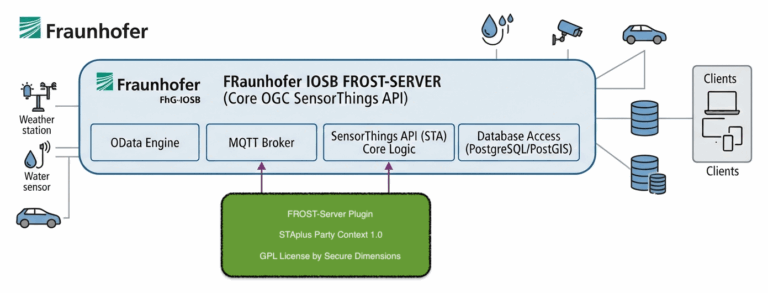 Citizen Science with STAplus
STAplus Party Context plugin implementation
The STAplus Party Context plugin implements the STAplus Party Context Standard. The plugin can be deployed with the Fraunhofer FROST-Server framework which is the open source reference implementation for the OGC SensorThings API.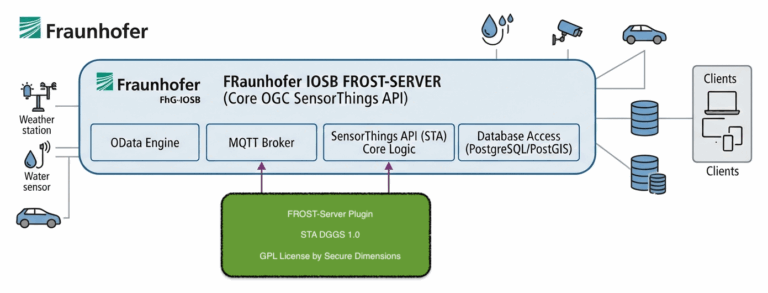 Citizen Science with STAplus
STAplus plugin implementation
The STAplus plugin implements the OGC STAplus 1.0 Standard. The plugin can be deployed with the Fraunhofer FROST-Server framework which is the open source reference implementation for the OGC SensorThings API. STAplus standard
STAplus Techpaper
An informative paper on the STAplus corrigendum and the Party Context, DGGS, and GDPR Profile drafts, using two CitiObs deployments.- 5 links
Toolkit source repositories
The source repositories for the CitiObs practical guidance toolkits. They provide open documentation on environmental monitoring, inclusive participation, sustainable Citizen Observatories, participation dynamics and citizen-led action, allowing the guidance to remain accessible and reusable after the project. - 3 links
Tools for local communities
Practical data-analysis and visualisation tools designed to help Citizen Observatories work directly with their environmental data. The collection includes Jupyter notebooks, reusable data recipes, visual workflows with Orange Data Mining and TAPIS. The Data Recipes repository provides reusable analytical examples created by CitiObs and the wider community.
Data products
2 productsValidated datasets and decision-ready air quality products from CitiObs
- Data product
Harmonized, Standardized, and Corrected Crowd-Sourced Low-Cost Sensor PM2.5 Data from Sensor.community and PurpleAir Networks Across Europe
This dataset provides Analysis Ready Data from two major citizen-operated PM2.5 sensor networks in Europe: Sensor.community and PurpleAir. The measurements have been harmonized, quality-checked, flagged, and corrected using the FILTER framework to improve consistency, interoperability, and reliability across different low-cost sensor systems. It offers a reusable European-scale resource for air quality research, exposure assessment, mapping, and the development of further decision-support products based on citizen-generated observations. - Data product
S-MESH: Surface PM2.5 daily 1km dataset over Central Europe using CAMS, Low-Cost Sensors and AOD
This dataset provides estimated daily surface PM2.5 concentrations over Central Europe at approximately 1 km spatial resolution for the years 2021–2022. It was generated with the S-MESH model, which combines CAMS forecasts, low-cost sensor data, satellite aerosol optical depth, and meteorological variables through a stacked XGBoost machine learning approach. The dataset includes several model versions to compare the role of low-cost sensors in training and prediction, offering a high-resolution resource for air quality analysis, exposure studies, and local decision support.